Understanding Food Tracking Methods

Educational information about approaches to monitoring daily food intake

Introduction to Food Tracking and Awareness

Food tracking refers to the practice of recording what one eats throughout the day. This educational resource explores various methods people use to maintain awareness of their daily food intake.

The concept of keeping a food journal has existed for decades as a way for individuals to better understand their eating patterns. Different people adopt different approaches based on their preferences and lifestyles.

This website provides educational information about these methods without offering personal advice or recommendations. The information presented is for general knowledge purposes only.

Food tracking introduction
Methods for monitoring meals

Methods for Monitoring Meals

There are several approaches that individuals use to track their daily food intake:

Written Journals

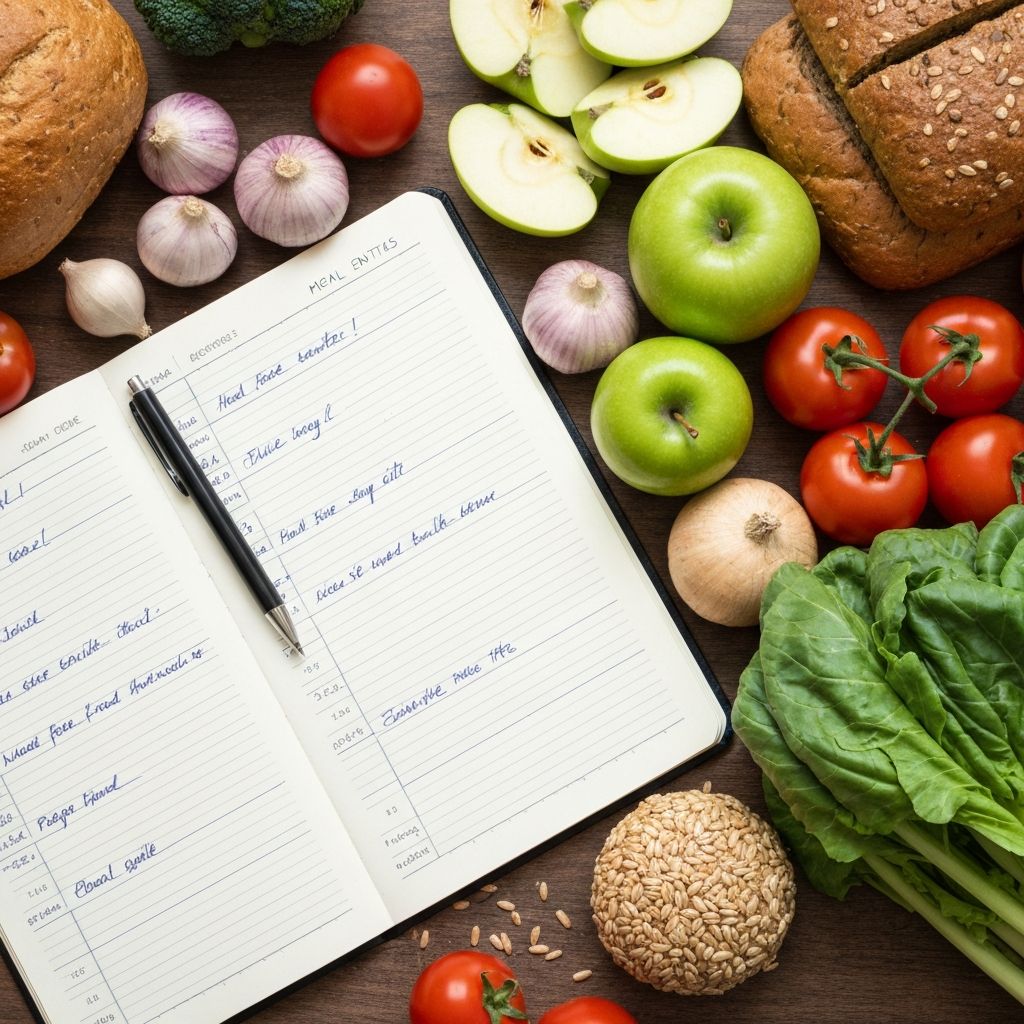
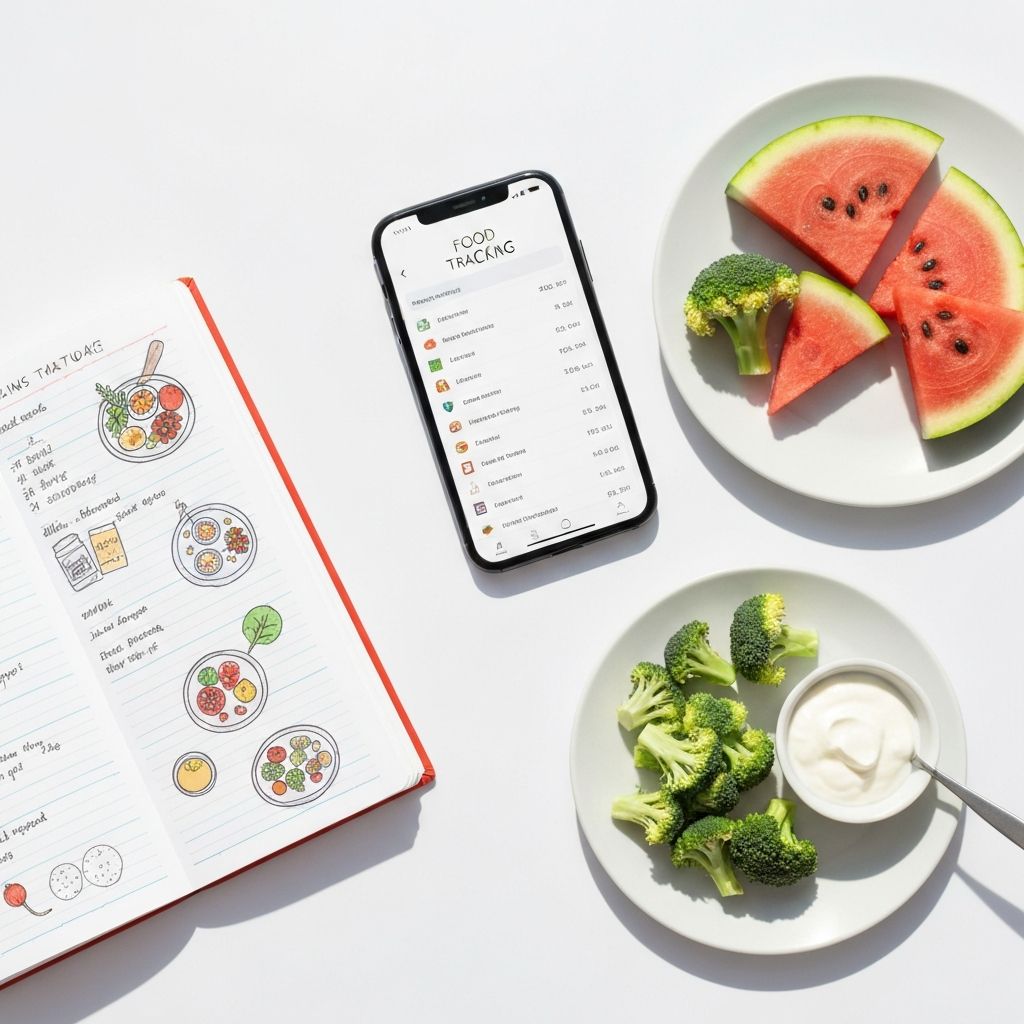
Some people prefer using pen and paper to record their meals. This traditional method involves writing down what was eaten, often including details about timing and portions.

Digital Applications

Mobile applications and computer software offer digital alternatives for food tracking. These tools typically allow users to log meals and view their entries over time.

Photographic Documentation

Taking photos of meals is another approach some individuals use to create a visual record of their daily food intake.

Tools and Visual Aids for Tracking

Notebooks and Planners

Traditional paper-based tools include dedicated food journals with pre-formatted sections for meal entries, or general notebooks adapted for this purpose.

Spreadsheets

Some individuals create their own tracking systems using spreadsheet software, allowing for customization of categories and data organization.

Visual Charts

Graphs, pie charts, and other visual representations can help individuals see patterns in their food intake over days or weeks.

Food tracking tools

Applying Daily Tracking for General Awareness

People who track their food intake often report increased awareness of their eating habits. This practice can help individuals notice patterns they might not have otherwise observed.

The process typically involves recording meals shortly after eating, though some prefer to plan and record in advance. The level of detail varies widely based on individual preferences.

It is important to understand that tracking food intake is simply a method of observation and documentation. It does not, by itself, constitute advice or a prescribed course of action.

Applying daily tracking

Educational Articles

Explore our detailed articles about food tracking methods and awareness:

Recording Daily Meals

An educational overview of how individuals document their daily food intake using various recording methods.

Read in detail

Using Logs for Awareness

Information about how keeping food logs can contribute to better understanding of eating patterns.

Explore further

Visualizing Food Intake

Learn about different ways people create visual representations of their daily food consumption.

Learn more

Frequently Asked Questions

What is food tracking?

Food tracking is the practice of recording what one eats throughout the day. It can be done using various methods including written journals, digital applications, or photographic documentation.

Who uses food tracking methods?

Many different people use food tracking for various personal reasons. This includes individuals interested in understanding their eating habits, learning about their food choices, or simply maintaining awareness of their daily intake.

What information do people typically record?

Common elements recorded in food journals include the types of foods eaten, approximate times of meals, and sometimes notes about portion sizes or hunger levels. The level of detail varies based on individual preferences.

Are there different approaches to food tracking?

Yes, approaches vary widely. Some individuals prefer detailed written records, others use simple checklists, and some rely on photos or digital apps. There is no single standard method.

Limitations and Context:

The information provided on this website is educational in nature and intended to explain concepts related to food tracking and awareness. This website does not provide personalized recommendations, dietary advice, or individualized guidance.

Food tracking approaches vary widely among individuals, and what works for one person may not be suitable for another. The content here is presented for general knowledge only and should not be interpreted as advice tailored to your specific situation.

For personal guidance related to nutrition, diet, or health matters, individuals should consult with qualified professionals in their area.

Continue Learning

Explore more educational content about food awareness and tracking methods.

Explore further
Educational content only. No medical services. No promises of outcomes.